

Dr. George Lamsa
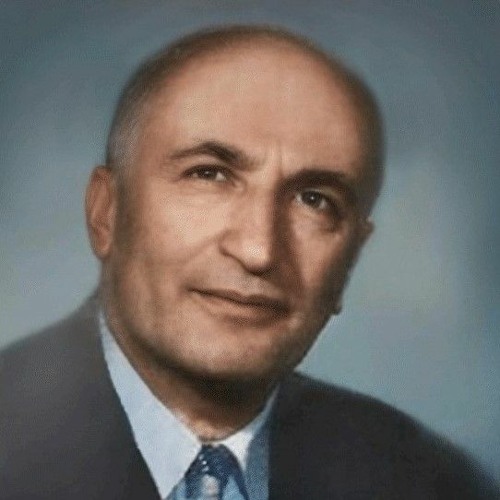
Pioneering Aramaic Bible translator and scholar (1892–1975)
About Dr. Lamsa
Dr. George M. Lamsa was a native Assyrian biblical scholar and translator best known for his translation of the Bible from the Aramaic Peshitta manuscripts — a collection of early Christian texts written in Syriac, a dialect of Aramaic. Born in 1892 in what is now Kurdistan, Lamsa was raised in a region where Aramaic, the language believed to be spoken by Jesus, was still a living tongue. His knowledge of this ancient language and his cultural background gave him unique insights into the Bible that Western scholars simply did not possess.
Lamsa’s life work focused on translating the New Testament directly from the Syriac Peshitta, bypassing the Greek texts used in most Western translations. This led to the influential Lamsa Bible, which he believed to be more faithful to the original teachings of Jesus and the early church.
Key Teachings
Central to Lamsa’s work was the conviction that many biblical passages were misunderstood or mistranslated in Western Christianity. He argued that cultural and linguistic nuances of the Semitic world were lost when translated into Greek and later into English.
For instance, Lamsa famously suggested that Jesus’ cry from the cross, often rendered as “My God, my God, why have you forsaken me?” (Matthew 27:46), was misinterpreted. According to Lamsa, a more accurate translation from the Aramaic would be “My God, my God, for this I was spared” — a declaration of purpose rather than abandonment.
He also taught that Jesus’ reference to the “camel passing through the eye of a needle” (Matthew 19:24) was not about an actual animal but rather a mistranslation of a word meaning “rope” — transforming an impossible image into a vivid but comprehensible metaphor.
Lamsa emphasized the Eastern cultural context of Jesus, pointing out that much of the Bible was metaphorical and should be understood through the lens of Eastern idioms. He believed that the Aramaic language, with its poetic and symbolic expressions, provided clearer insight into Jesus’ parables, miracles, and teachings.
Selected Works
- The Holy Bible from Ancient Eastern Manuscripts (The Lamsa Bible) — Translation of the Peshitta into English
- Gospel Light — Commentary on the teachings of Jesus from an Eastern perspective
- New Testament Origin — Arguments for the Aramaic primacy of the New Testament
- Idioms in the Bible Explained and A Key to the Original Gospels — Exploring Semitic idioms lost in translation
Legacy
While Lamsa’s work faced criticism from scholars who considered the Greek manuscripts authoritative, his efforts found a devoted following among those seeking alternative readings of Scripture and a deeper understanding of Jesus’ teachings in their original cultural and linguistic context. His student, Dr. Rocco Errico, carried forward his work through the Noohra Foundation. Lamsa’s legacy continues to inspire all who believe that recovering the language of Jesus can help recover the essence of His message.
Frequently Asked Questions
Who was Dr. George Lamsa?
Dr. George M. Lamsa (1892–1975) was a native Assyrian biblical scholar born in what is now Kurdistan, in a region where Aramaic was still a living language. His unique background gave him insights into the Bible that Western scholars lacked. He is best known for translating the entire Bible from the Aramaic Peshitta manuscripts into English — the first such translation — published as “The Holy Bible from Ancient Eastern Manuscripts.”
What is “Aramaic primacy”?
Aramaic primacy is the scholarly position that the original New Testament texts were written in Aramaic, not Greek. Dr. Lamsa was a prominent advocate of this view, arguing that the Greek manuscripts used in most Western translations were themselves translations from Aramaic originals. While this position is debated among scholars, it forms a key part of Lamsa’s legacy and the foundation of the Aramaic Jesus tradition.
What are some examples of mistranslations that Lamsa identified?
Two of Lamsa’s most famous examples: First, Jesus’s cry from the cross — traditionally rendered “My God, my God, why have you forsaken me?” — which Lamsa translated as “My God, my God, for this I was spared,” a declaration of purpose rather than abandonment. Second, the “camel through the eye of a needle” passage, where Lamsa argued the Aramaic word for “rope” was confused with the similar word for “camel,” turning a vivid metaphor into an impossible image.
b’shlama · b’shalom · salam
Continue exploring: Meet all interpreters · Begin your journey